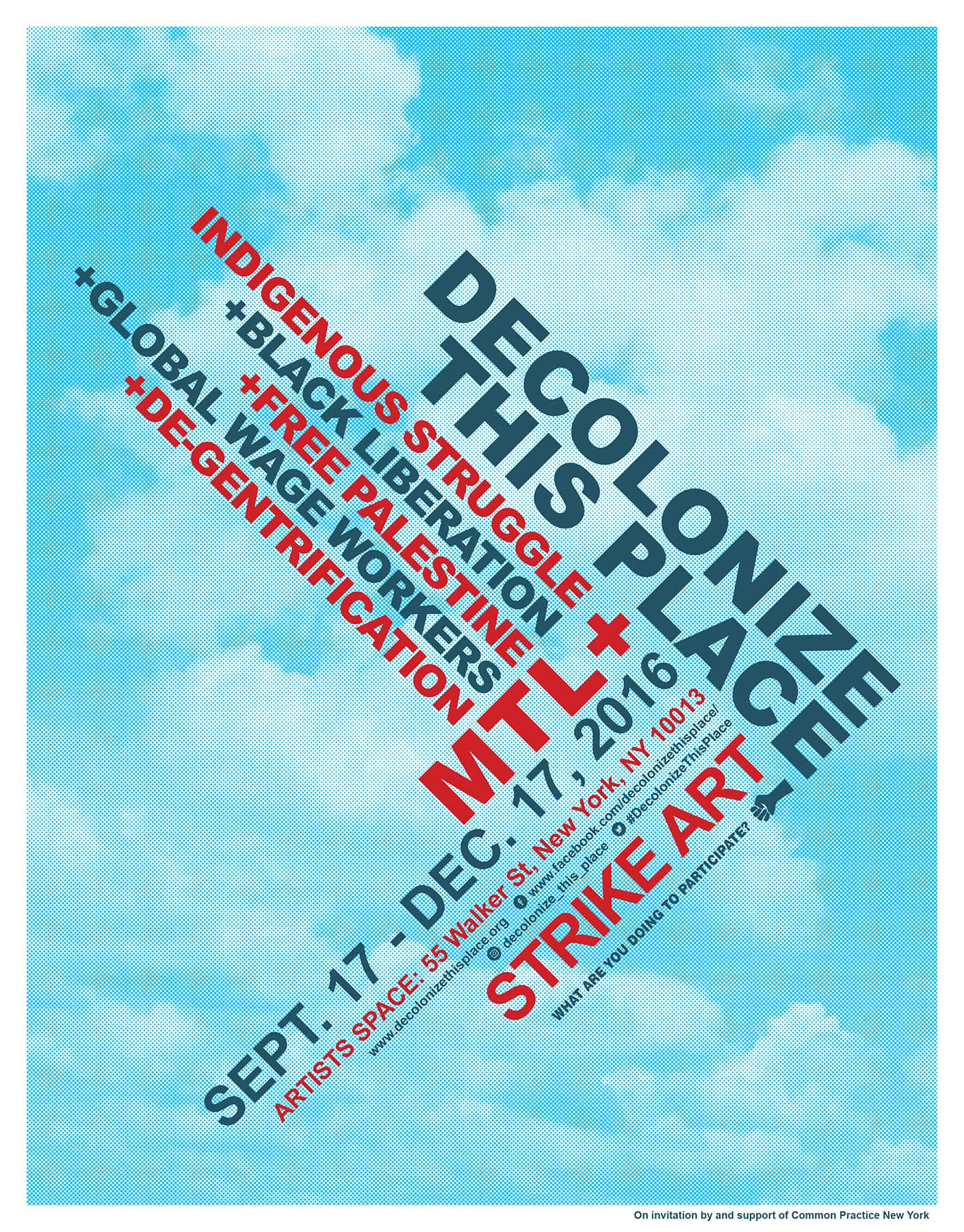
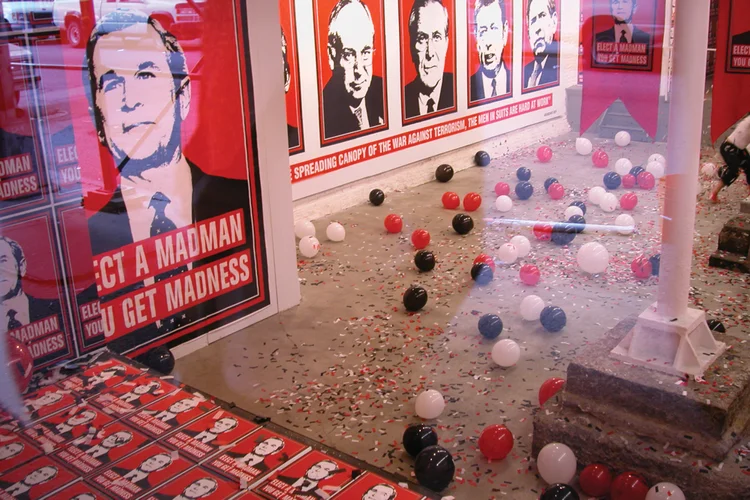
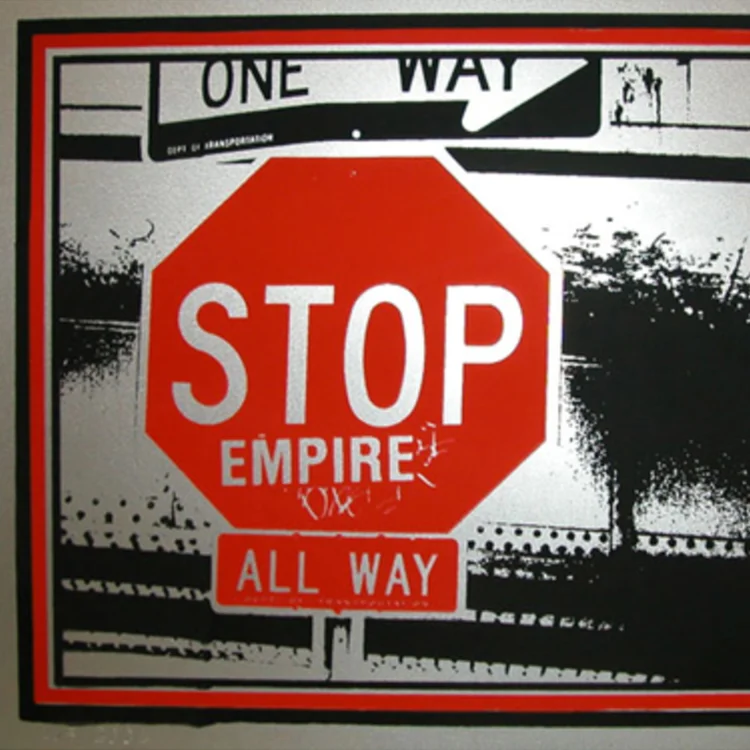
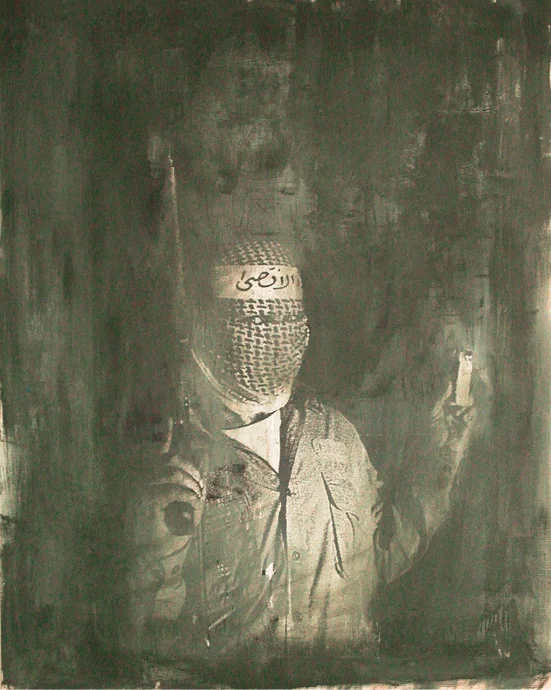
Artist and visionary organizer in New York City. My work intentionally blurs the lines between art and activism. It is engaged, collaborative, and emerges from struggle, or simply put, it may be considered movement-generated art. Although the work may resemble at times “political art”, “social practice”, or “institutional critique”, it is an art practice that is embedded in social movements and informed by the research and organizing happening on the ground -- from Indigenous Struggle and Black Liberation to the struggles of the Global Wage Worker and Free Palestine movement. The visuals offer an aesthetic without aestheticizing. Works like banners and posters may hang on gallery walls, but they do not represent struggle, as art is expected to do; instead, such art hangs in the service of struggle. All my work is meant to roll into direct actions and organizing that then bring more groups and struggles into conversation towards resisting oppression and imagining a shared horizon of liberation.
FROM CRISIS TO DECOLONIZATION
To Adam Weinberg and the Board of Trustees
It has been six months since the crisis began. The Whitney Museum has a teargas problem.
The staff have spoken. Community groups have spoken. Scholars have spoken. Journalists have spoken. Artists have spoken, including 52 participants in the Biennial. Everyone agrees that Warren Kanders must go. Yet the museum remains silent. What will it take to finally remove Kanders from the board?
We know this goes beyond Kanders. He is a stand-in for an entire system. Toxic philanthropy can no longer be normalized. The landscape is changing, as we can see with the repudiation of the Sacklers by the Met, Guggenheim, and Tate.
Had you asked, we would have told you: the removal of Kanders is a gesture of good faith by the museum, a signal that you grasp the historical moment, and that you recognize business cannot go on as usual. It would open a pathway for a collective process to address deeper structural questions about the distribution of power and the shape of institutional governance.
The crisis started with teargas, and it now points to decolonization. In the open letter signed by more than 400 writers, curators, and artists calling for the removal of Kanders, they invoke the prospect of a Decolonization Commission that would “include community stakeholders and guided by a variety of urgent principles: Indigenous land rights and restitution, reparations for enslavement and its legacies, the dismantling of patriarchy, workplace democracy, de- gentrification, climate justice, and sanctuary from border regimes and state violence more generally.”
The letter reminds us that “There is no blueprint for decolonization.” We agree. The process is the plan, and we are here for it.
A Notice to the Whitney Museum
We could have shut the museum down today. But after nine weeks of action, we offer the museum leadership a final window to do the right thing: remove Kanders and participate in the formation of a process with stakeholders: staff, community groups, scholars, artists, and more.
Fall is the deadline. We will be back if necessary, and our tactics will escalate further. In the meantime, we expect others will act and organize.
When We Breathe, We Breathe Together
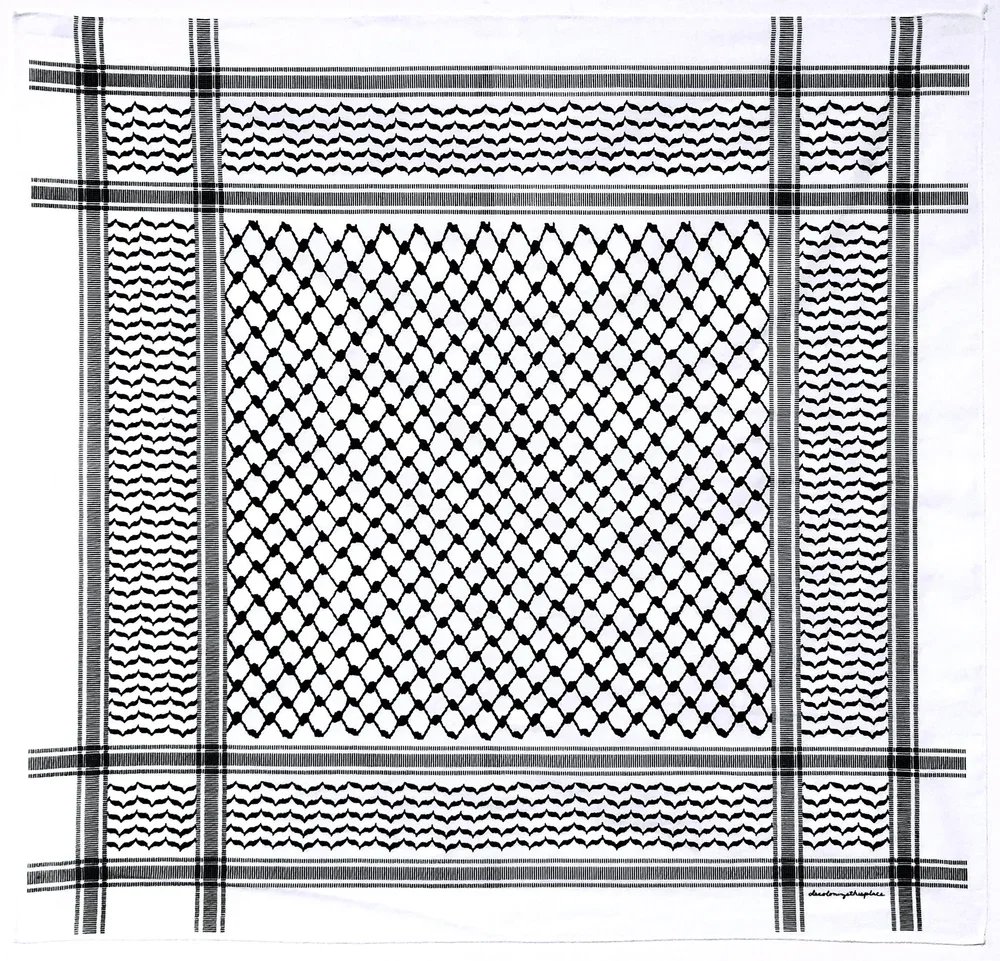
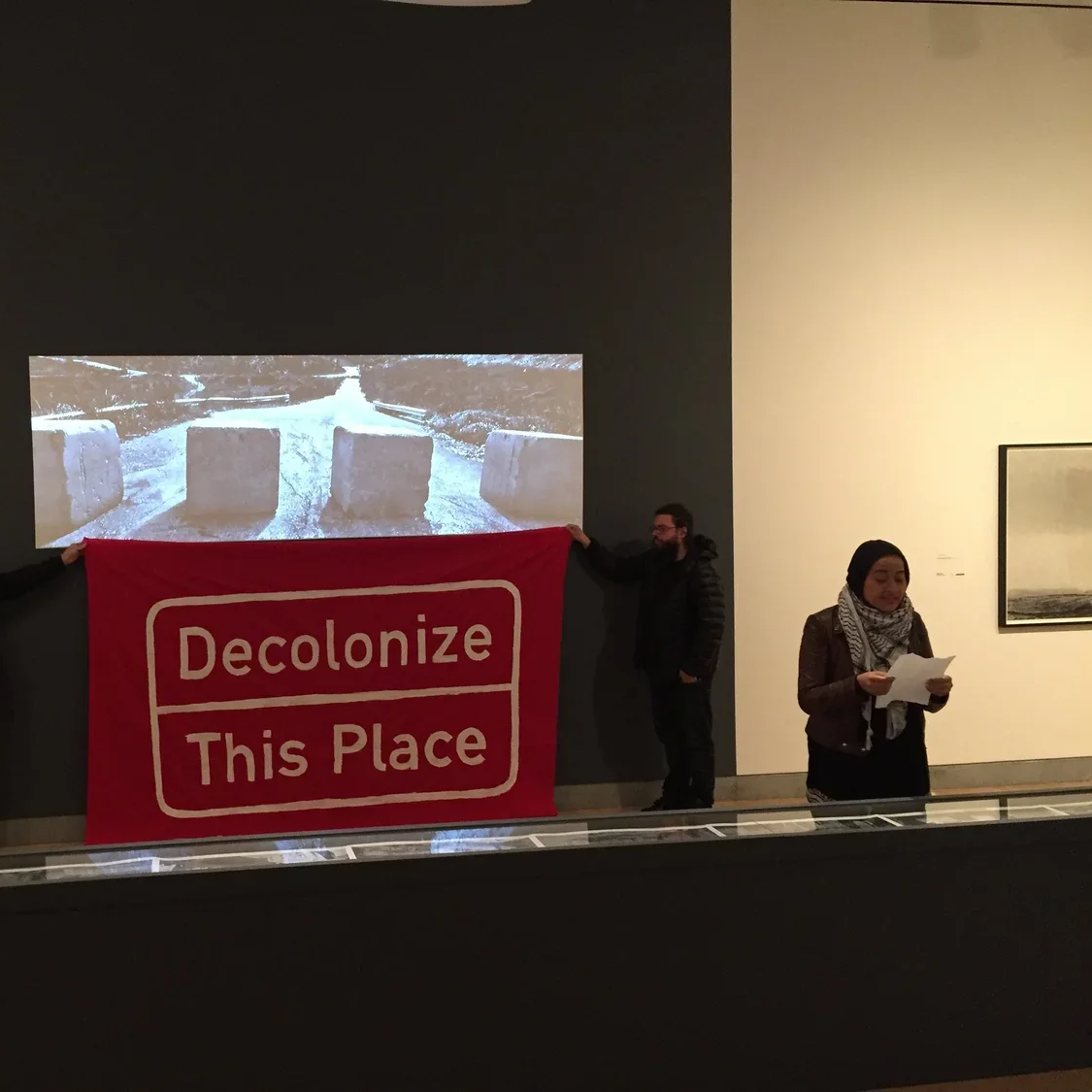
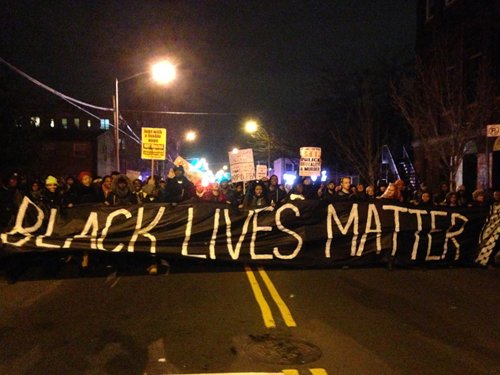
One of our banners today reads “When We Breathe, We Breathe Together.” This is the same banner that was used in shutting down Brooklyn Bridge in 2014, after a Grand Jury failed to indict the cop who choked Eric Garner to death. As we speak, Officer Anthony Pantaleo is now undergoing a departmental “disciplinary trial,” one that by design cannot result in criminal charges. Our allies, including Why Accountability, NYC Shut It Down and Copwatch Patrol Unit, have been at the forefront of the struggle to hold this killer cop and the NYPD accountable for their violence. We know that the same forces that stole the life of Eric Garner are those represented by Warren Kanders, who counts the NYPD among his clients. The banner also has the design of the keffiyeh, which signals solidarity with the Palestinian freedom struggle. From Staten Island to Gaza: chokeholds, teargas, handcuffs, batons, bullets, body armor, occupation, displacement, land theft, incarceration...These are the sources of Kanders’ wealth and profit, which he launders into his profile as a board member at this Whitney Museum.
A Note on White Supremacy and the Reviews of the 2019 Whitney Biennial
We want to congratulate the 75 artists in the 2019 Whitney Biennial artists, over half of whom are artists of color. This is the most diverse Whitney Biennial to date. Shout out to you for making history with your work, and also for the public stand that 52 of you have taken against Kanders. Your presence is monumental, and you are sculpting the future of the arts landscape.
The Whitney Biennial has taken an important step in decentering whiteness as an exhibition. But it remains embedded in a museum and a broader artworld that has white supremacy at its core. It cannot be separated from the settler-colonial condition, and the interlocking systems of capitalism, heteropatriarchy, and imperialism that affect how contemporary art is produced, circulated, and critiqued. We see this play out in the reviews of the biennial so far. We note the condescension of those white art critics who are now lamenting that the artists in the Biennial are not properly political, that they “play it safe.”
White supremacy doesn’t get to decide whether or not our work or actions are “radical” enough to liberate our peoples from white supremacy. White supremacy doesn’t have the tools to examine white supremacy. White supremacy doesn’t get to dictate whether or not our frustration with white supremacy is expressed most effectively via “melancholy,” “outrage,” or anything in between. White supremacy doesn’t get to measure the level of risk (or the level of “safety”) we take in resisting white supremacy. In fact, white supremacy gets no say in the ways in which we choose to survive, live, and fight as people of color in this world. White supremacy doesn’t get to separate us from each other in the name of art and protest, while uplifting its own dubious agenda. We won’t let it. So, make no mistake, when we resist Warren Kanders on the board, we are pushing back and resisting against Whiteness dictating what constitutes contemporary art and aesthetics.
Nine Weeks of Art and Action: Participating Groups
Veterans Against the War, Art Space Sanctuary, Brooklyn Anti-Gentrification Network, Brooklyn Defense Committee, Chinatown Art Brigade, Comité Boricua En La Diáspora, Copwatch Patrol Unit, Critical Resistance, Crystal House, Decolonial Time Zone, (De)Institutional Research Team (DIRT), Direct Action Front for Palestine, Equality 4 Flatbush, Hydro Punk, The Illuminator, Insurgent Poets Society, Global Ultra Luxury Faction, Mahina Movement, Mi Casa No Es Su Casa, Mobile Print Power, Movement to Protect the People, New Sanctuary Coalition, Nodutdol for Korean Community Development, No New Jails NYC, NYC Shut It Down, NYC Solidarity with Palestine, Queens Anti-Gentrification Project, Queer Youth Power, P.A.I.N. Sackler, People’s Cultural Plan, Semillas Collective, South Asia Solidarity Initiative, Sunset Park for a Liberated Future, Take Back the Bronx, The Whitest Cube, War Resisters League, We Will Not Be Silent, Why Accountability, Within Our Lifetime, and more.
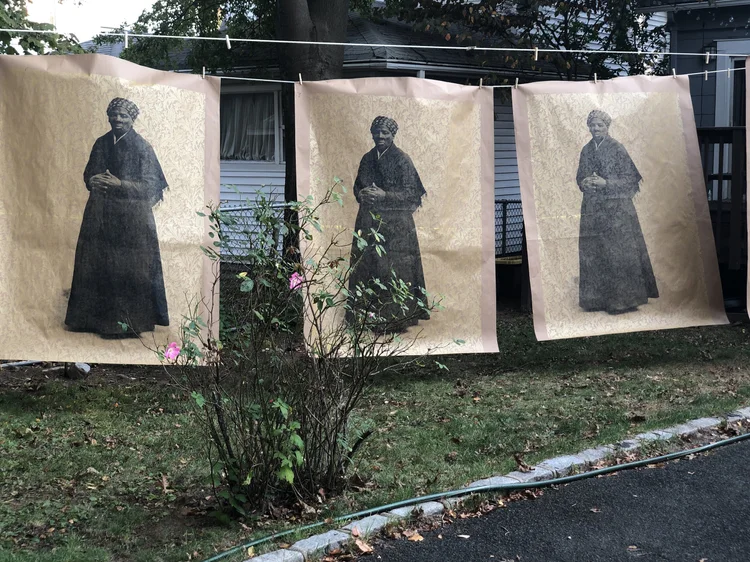
Harriet Tubman on William Morris' “Thistle” (Gold), 2018, Two color screen print on handmade gold leaf wallpaper, 37" x 23.5". Signed and numbered on the back. Edition of 22.
Original photo by Horatio Seymour Squyer, Circa 1885 - National Portrait Gallery.
Exhibitions:
Multilayered: New Prints 2018/Summer
Selected by Juan Sánchez
June 26 – Sept. 22, 2018
2016
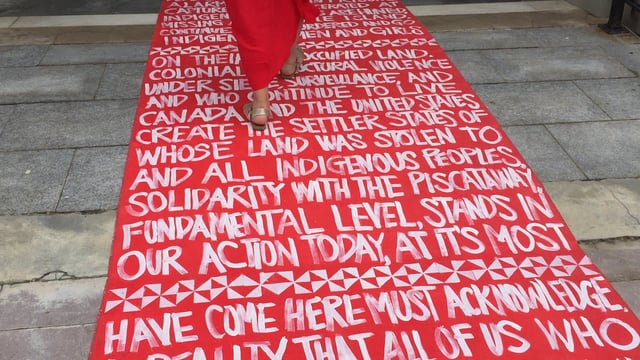
Acrylic paint on canvas, 360" X 48"
with AKA Exit Collective member Vaimoana Litia Makakaufaki Niumeitolu
using original text by Jaskiran Dhillon
Description:
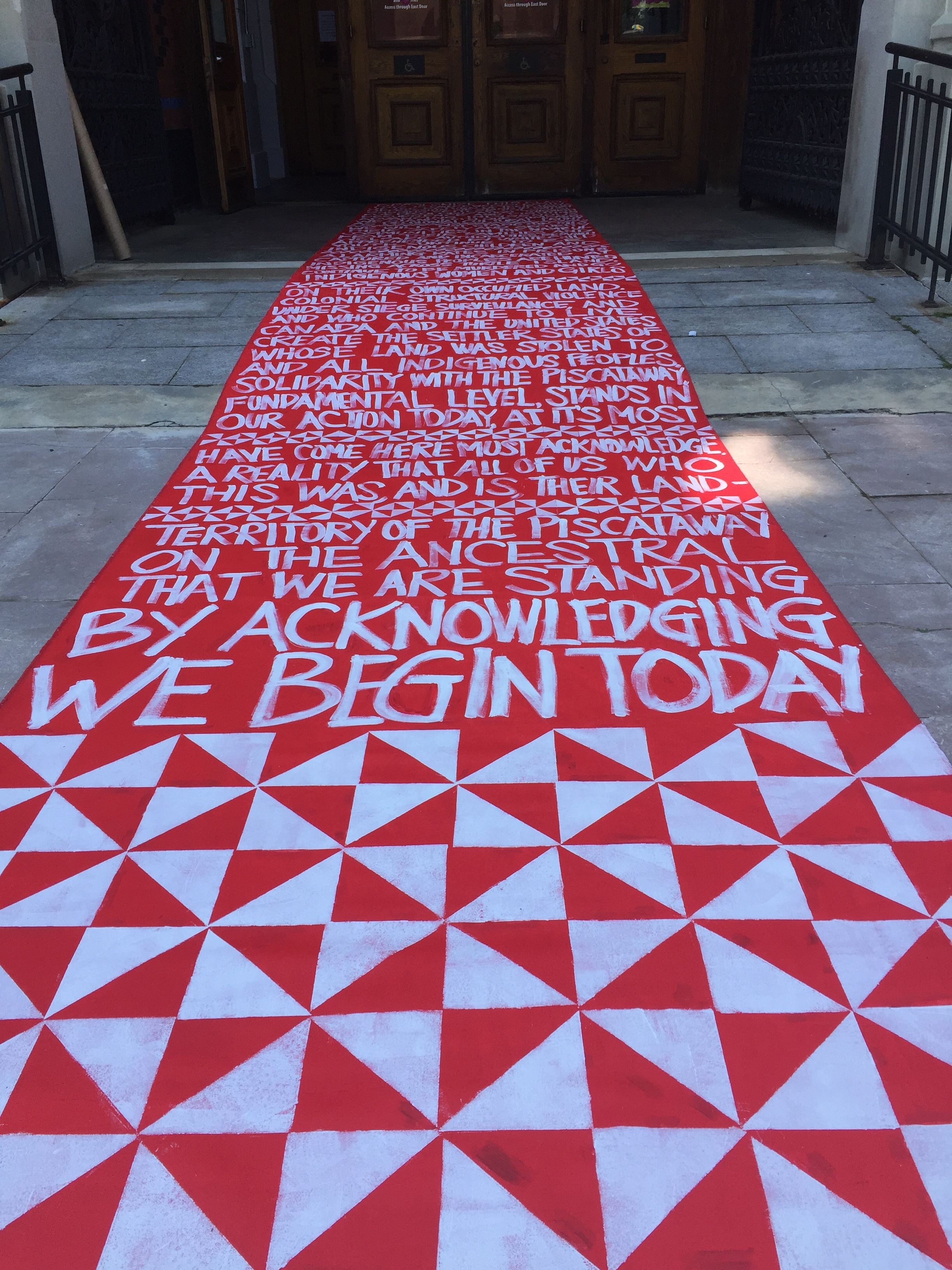
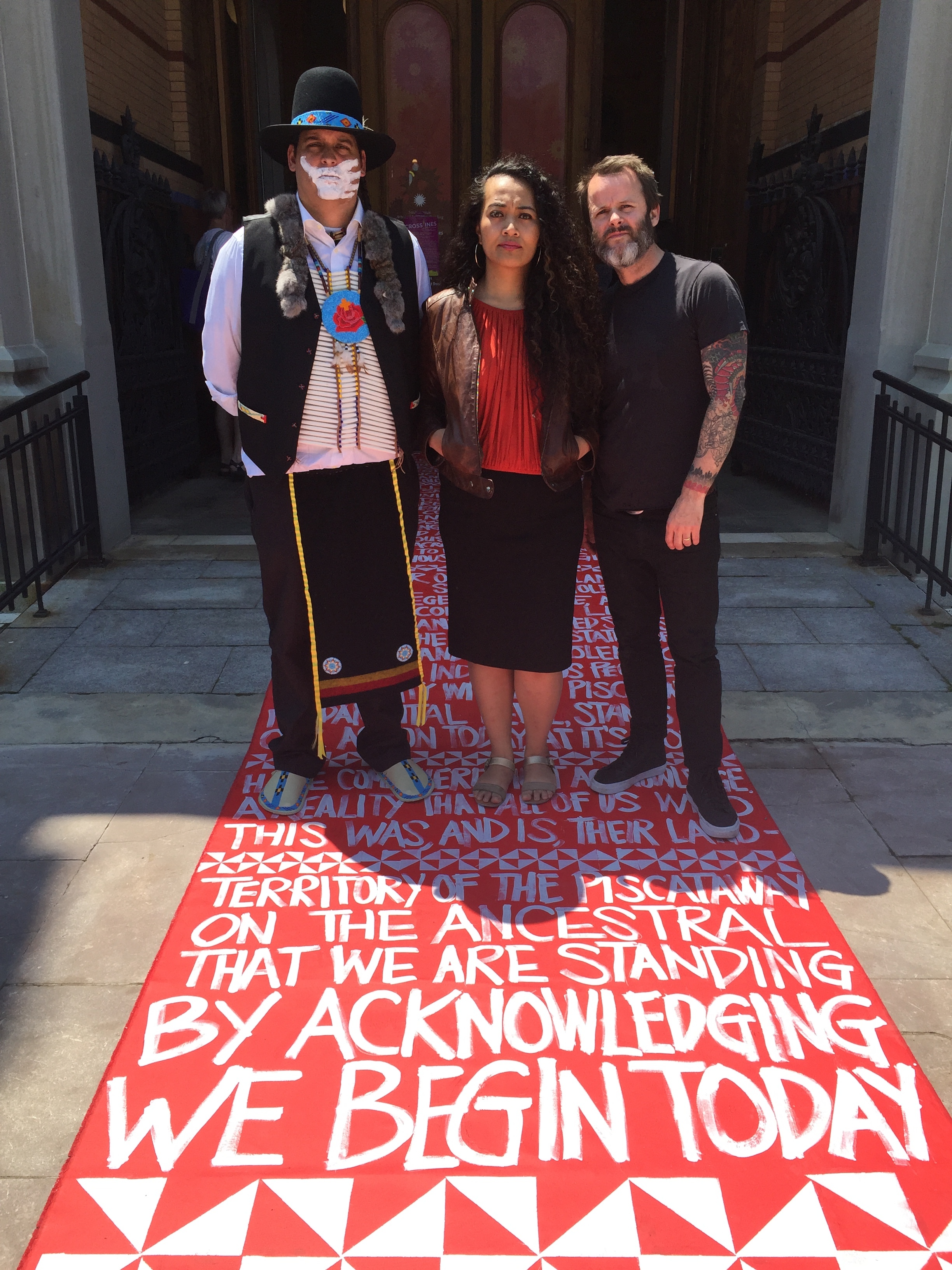
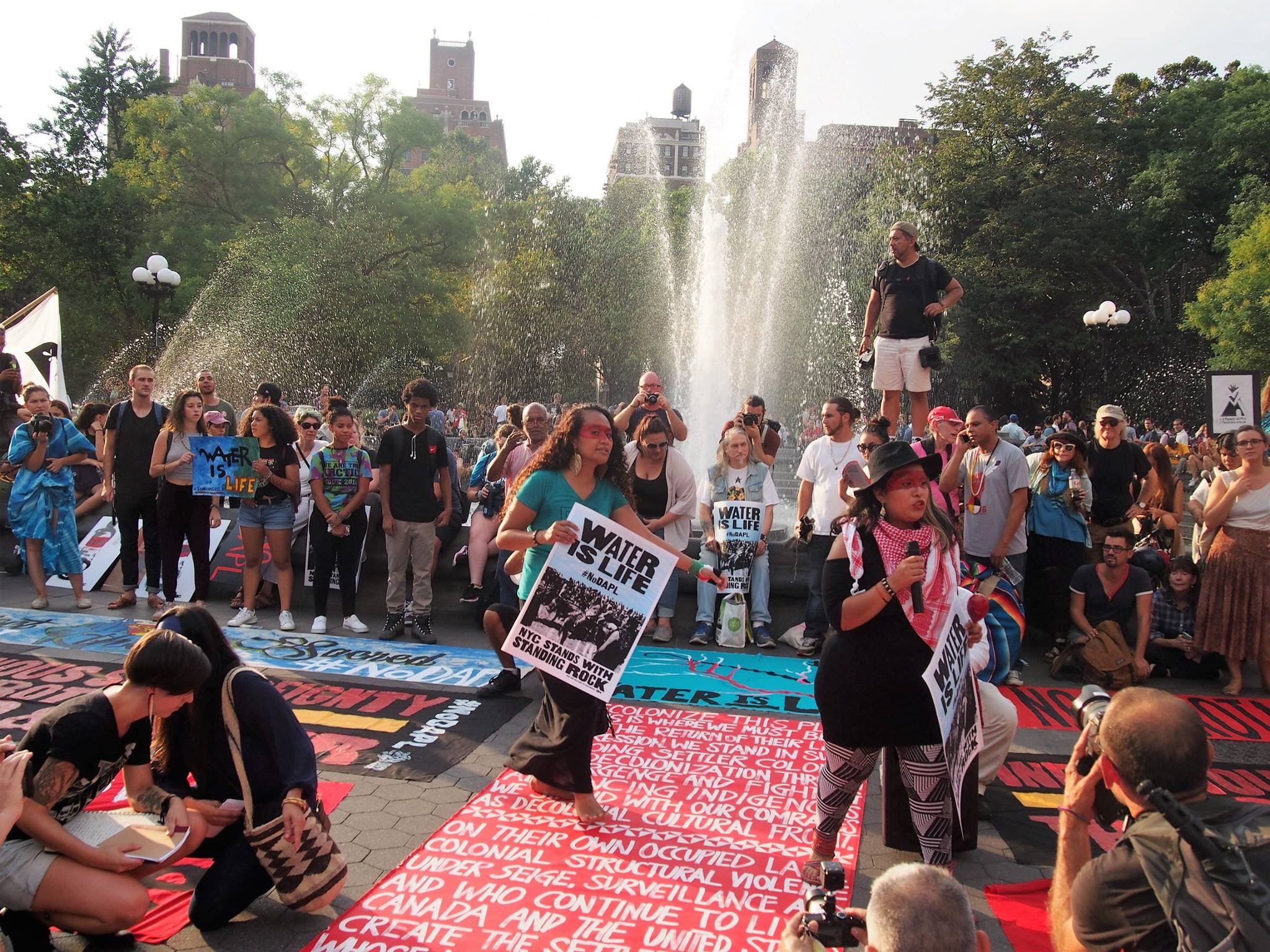
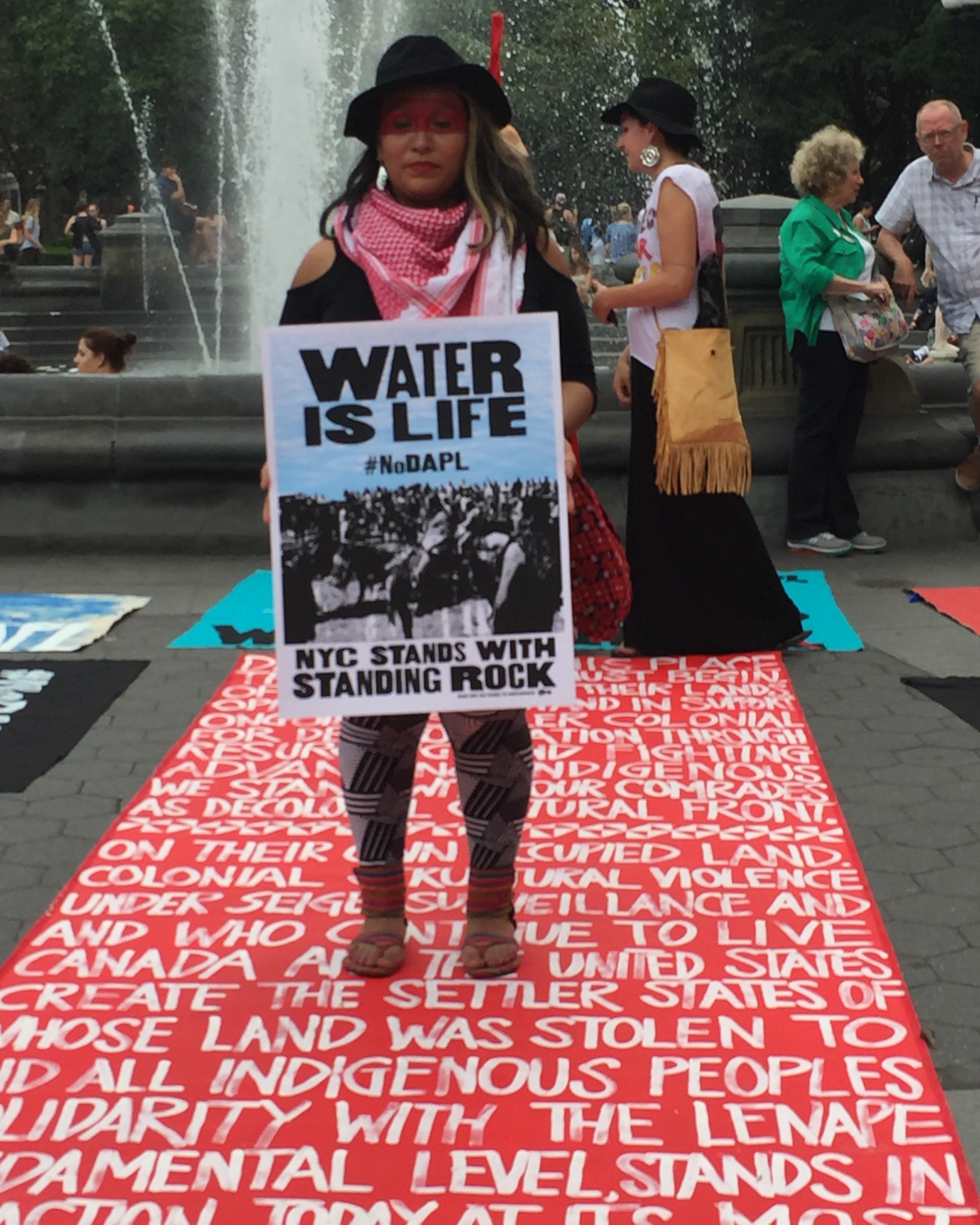
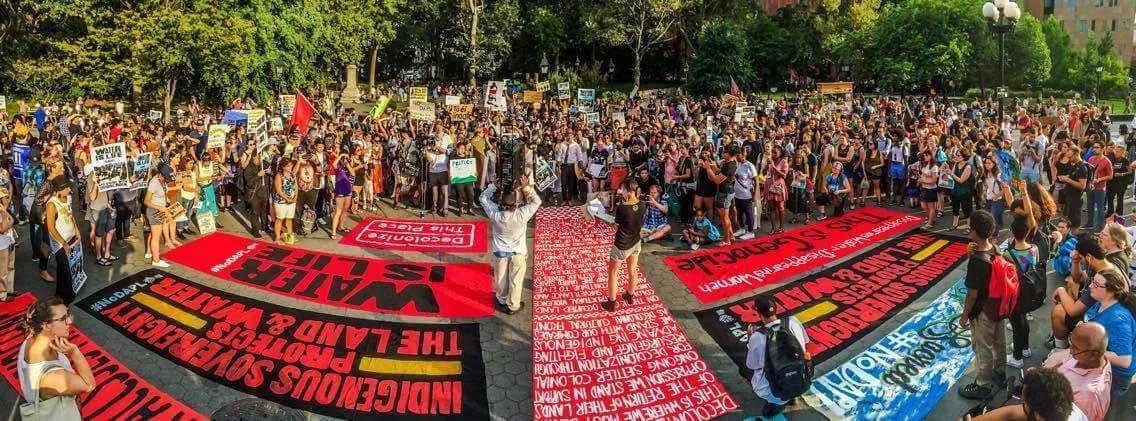
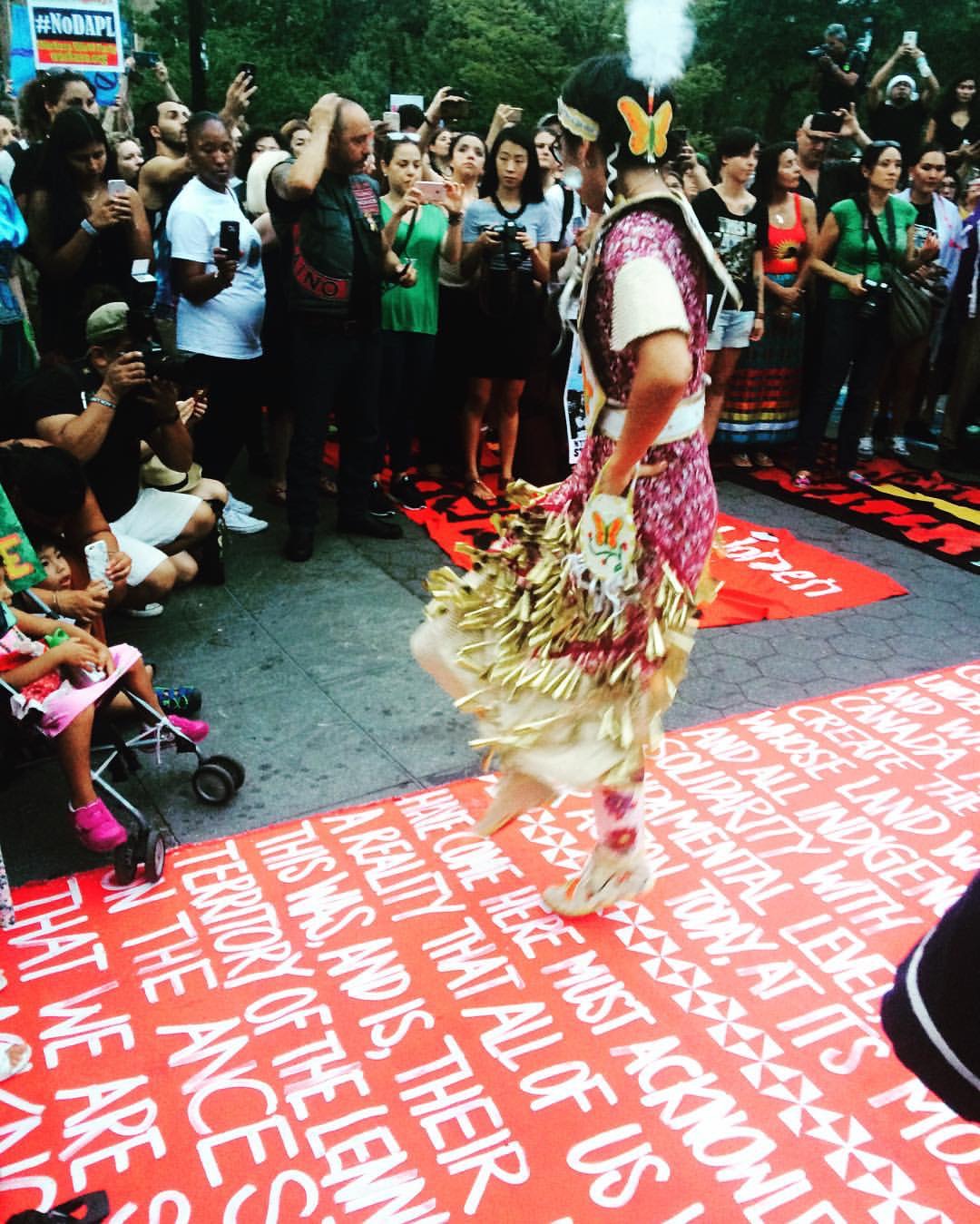
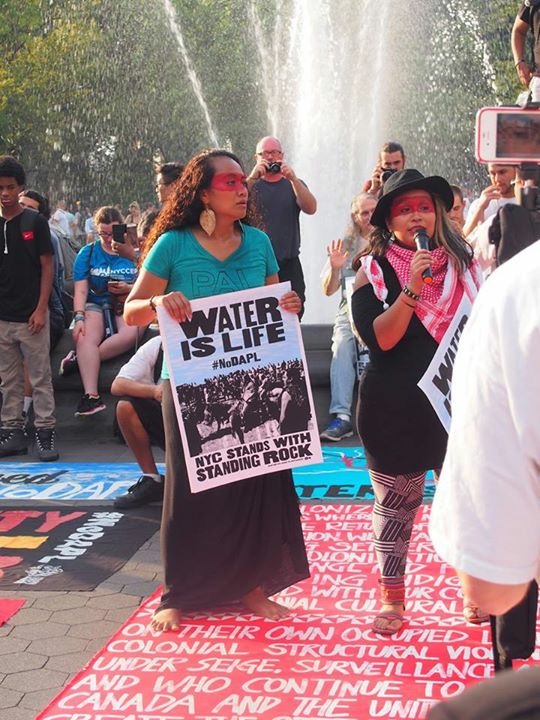
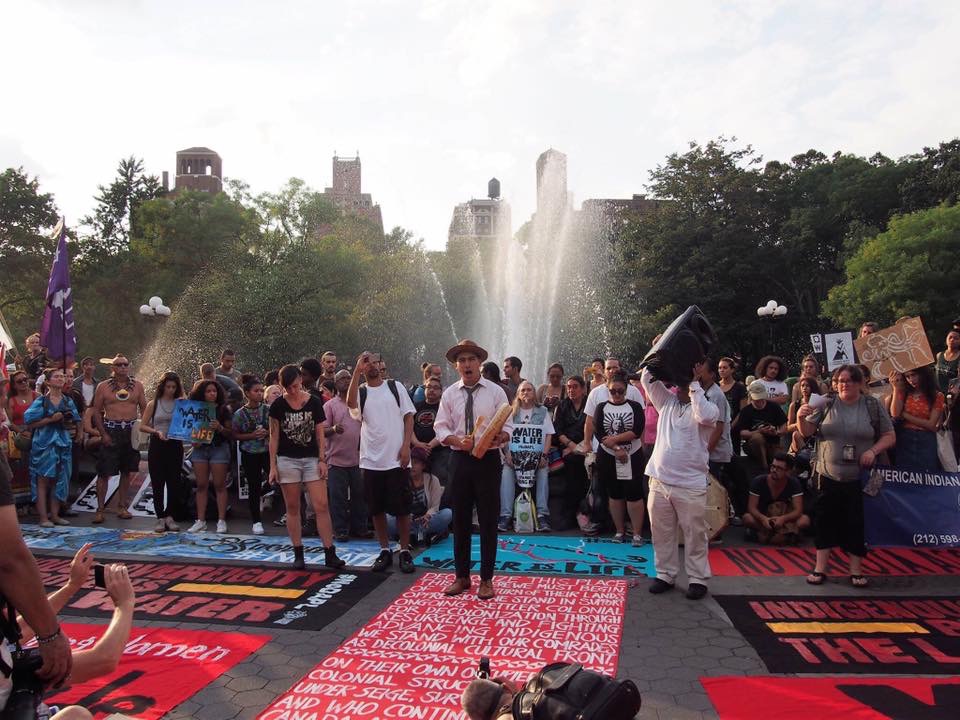
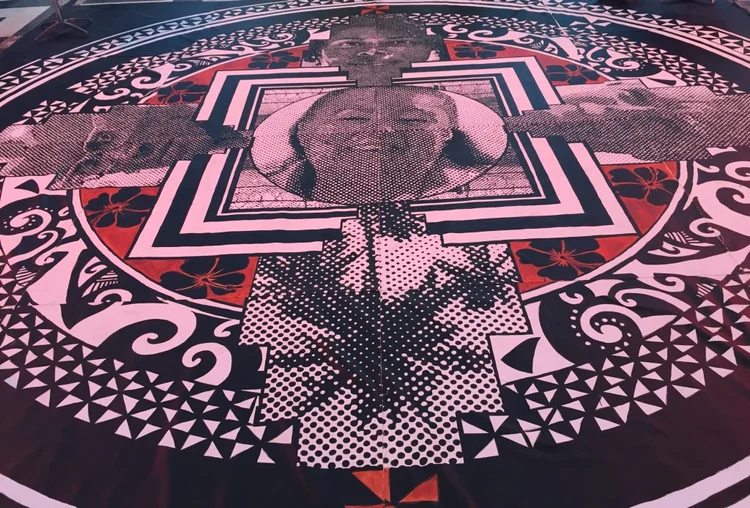
The Decolonial Cultural Front: Red Carpet acknowledges in painted English text, that wherever you are, you are indigenous land. The red carpet also has traditional Kupesi (designs) from Ngatu, an artfrom made in Tonga in the South Pacific. Ngatu is made by groups of women/trans and their children. It is what the people in Tonga are wrapped in as babies and buried in when they pass away. When Ngatu is given, it is the highest form of honor. The red carpet honors indigenous land, people, sovereignty and solidarity. Also, because it is a red carpet, it is meant to be walk on. .
1st Installation
Mall Entrance to the Smithsonian Arts & Industries building, Washington D.C., part of the CrossLines: A Culture Lab on Intersectionality at the Smithsonian Arts & Industries building Memorial Day weekend 2016
2nd Installation
NYC Stands With Standing Rock Action
Washington Square Park, New York, New York
2016
White Box Installation
#makeamericagreatagain
Curated by Raul Zamudio and
Juan Puntes
Co-curated by Blanca de la Torre
2014
screen print on reflective vinyl
44 prints, each 24" X 18"
96" x 198" installation view
flash photography
Decolonial Cultural Front (DCF) Prints, 2016
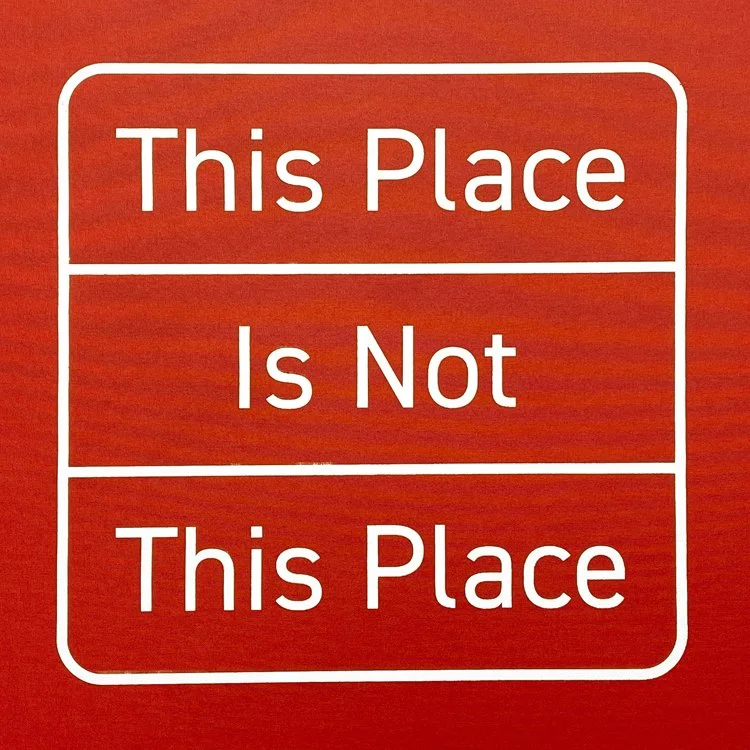
Rename and Reclaim wall text on top of Stephen Shore photographs both from the This Place exhibition at the Brooklyn Museum.
Image Size: 20” x 25.25”, digital images.
2013
mix media
70' x 32'
DUMBO ARTS FESTIVAL
Friday September 27th – Sunday September 29th
Location: Water Street Btwn Main & Washington Streets, Brooklyn NY 11201
Using 1,600 transparent colored flags, in reference to the 1600 Pennsylvania Ave. White House address, to make up the installation "Who’s Chelsea Manning?". The installation will appear, from afar, as a mammoth pixelated image of that famous face and cap of Private Manning, hanging across Water Street as part of this year's DUMBO Arts Festival.
The 70-by-32-foot installation "Who’s Chelsea Manning?" at the DUMBO Arts Festival aims to replace the simplistic view of the 25-year-old Manning, sentenced to 35 years in prison for exposing some of the US government’s most extraordinary war crimes. Convicted of several counts of espionage, though cleared of “aiding the enemy,” Goen believes Manning is guilty of little more than informing the US population of the government’s illegal torture centers and civilian murders in Iraq. The Wikileaks video that went viral showing US Apache helicopter snipers expressing bloodlust as they killed 2 Reuters reporters and the family who came to rescue them is perhaps the most famous example of Manning’s exposure of government secrets.
As Gregg Leslie, legal defense director for the Reporters Committee for Freedom of the Press, said following the conviction, "Whistle-blowers always know they are taking risks, and the more they reveal, the bigger the threat is against them. But we know they are not betraying the government. And when they contribute vital information to an important public debate, it should not be a crime--especially the kind of crime that sends you to jail for the rest of your life."
The sheer scale of Goen’s “Who’s Chelsea Manning?” is intended to force an open conversation not only about Manning, but also about what constitutes an accurate image of this figure whom defenders see as a truth-teller and government prosecutors as an Enemy of the State. The closer you view the work, the more confused the image; the farther away, the more it comes into focus.
2013
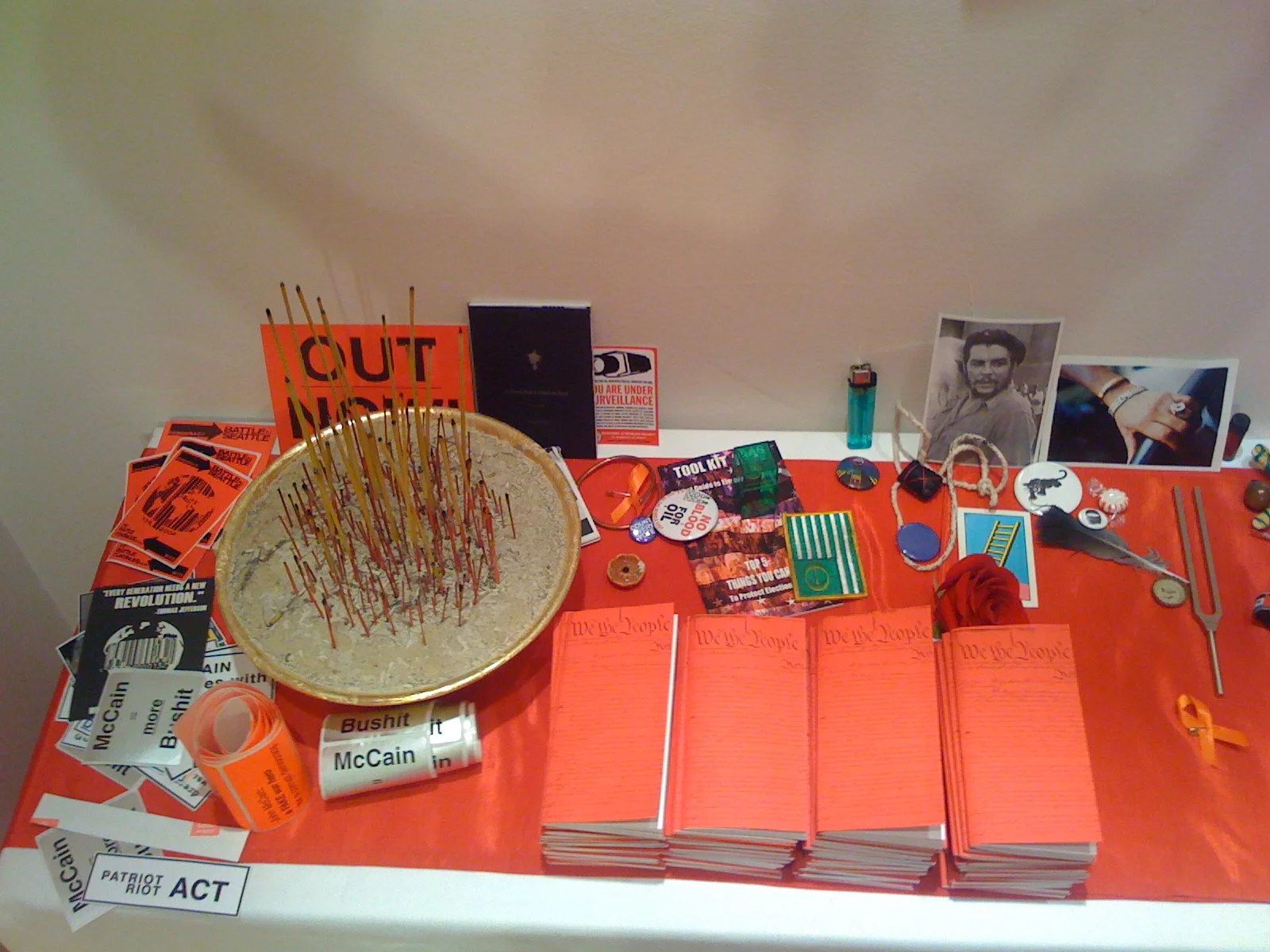
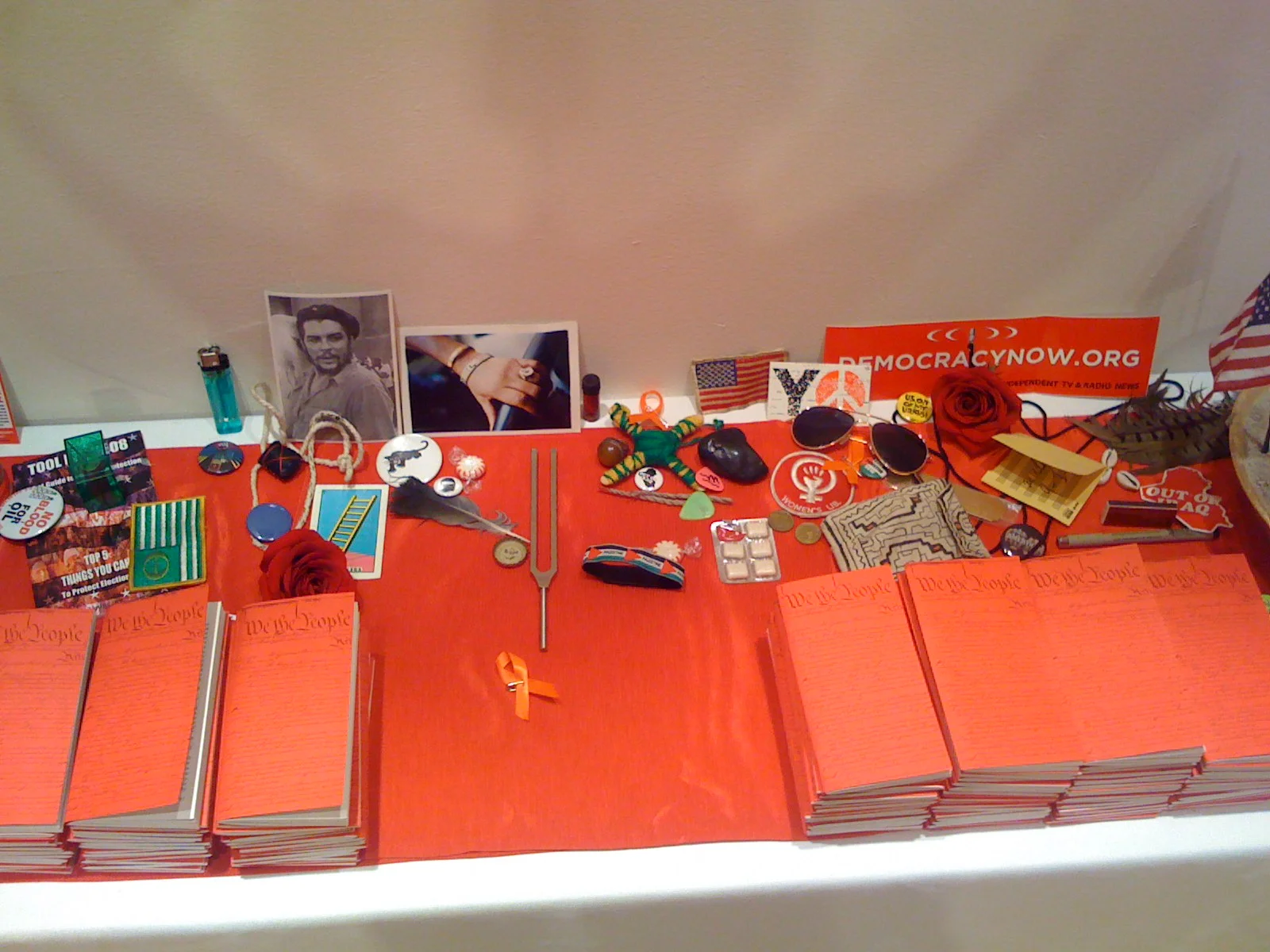
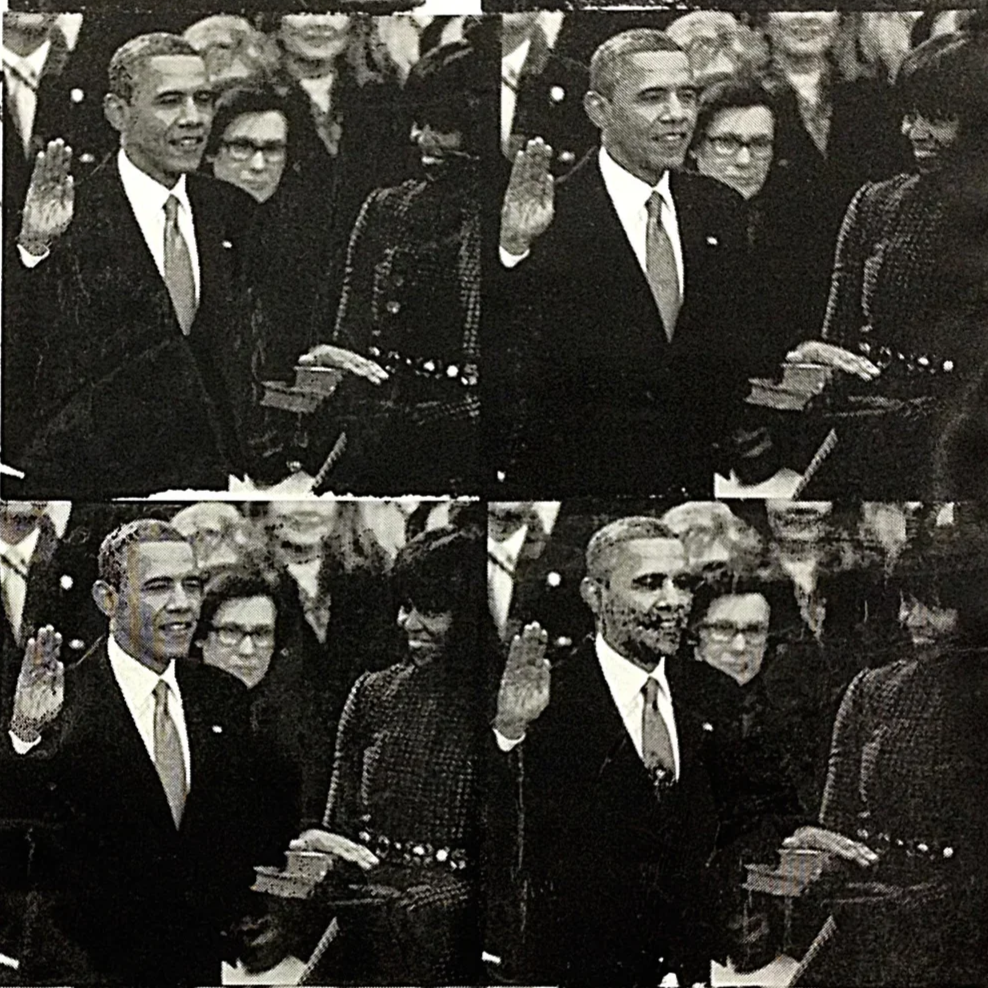
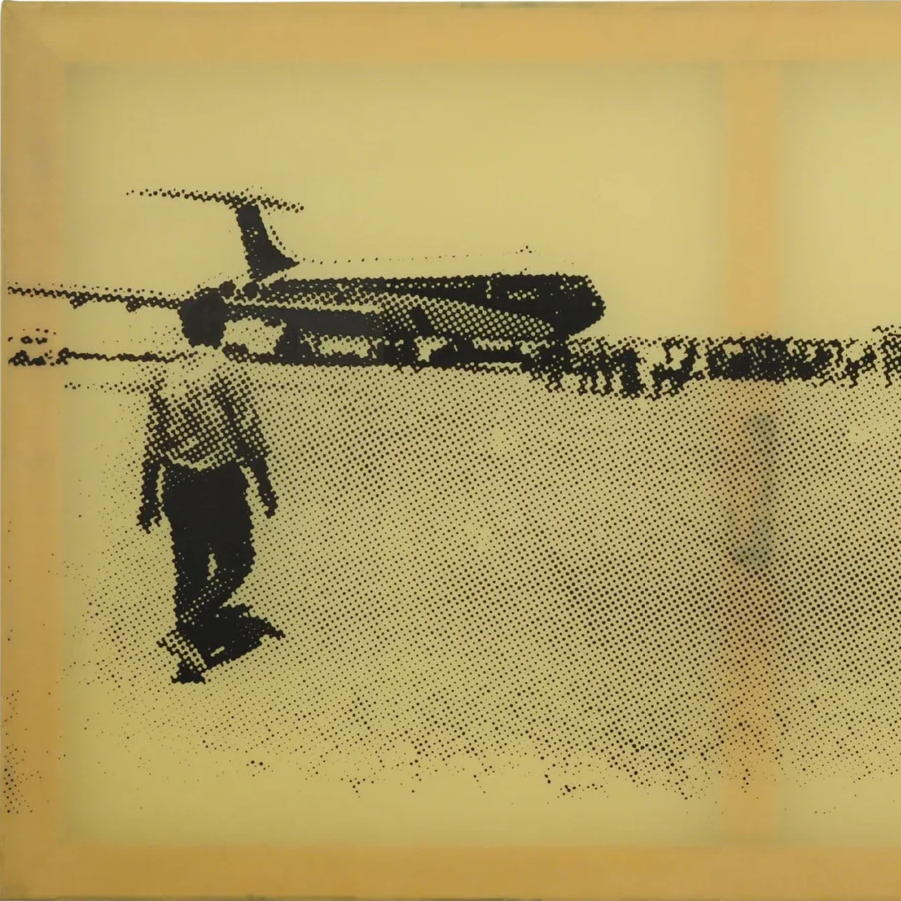
57th Presidential Inauguration
Five drone strikes in five days 1/19/13 -1/23/13
large works on canvas.
screen print on primed canvas
Text: January 19, 2013 Yemen. The first drone strike missed its target; missiles landed in a nearby orchard. January 19, 2013 Yemen. Later in the evening, 4 people were killed when a drone fired missiles in Marib. January 19, 2013 Yemen. Up to 6 people were killed in Wadi Abida. It was the last strike of the night. Inauguration Day, January 20, 2013 Yemen. 3 people killed in a car. 'Their identities are not yet known.' January 21, 2013 Yemen. Up to 4 men were driving on the Sanaa-Marib highway when a US drone fired missiles at them. January 22, 2013 Yemen. An evening strike targeted a vehicle in al-Jawf, killing 3-5 people. January 23, 2013 Yemen. Up to 7 people died when a drone destroyed a Toyota. Bodies were burned 'beyond recognition.' January 23, 2013 Yemen. A second possible drone attack missed its target and left 2 children dead in their home.
2012
performance
Cultural Transference
Elizabeth Foundation for the Arts - Project Space
June 15 - July 27, 2012
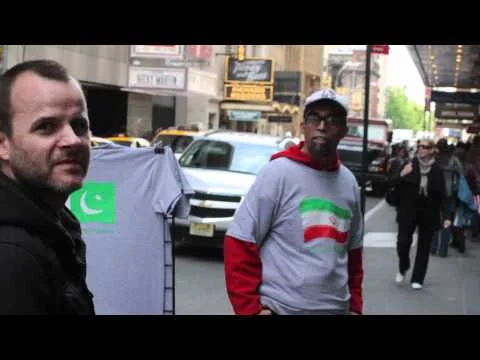
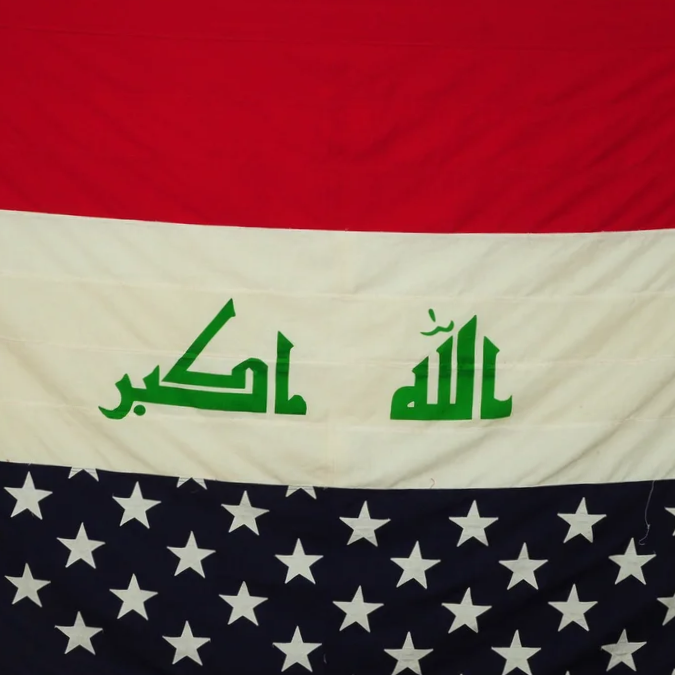
United We Stand Stand is a performance by Dread Scott & Kyle Goen. In the project Scott & Goen are vendors operating a stand that sells t-shirts bearing the popular slogan “United We Stand.” The slogan became a rallying cry in the US after the September 11, 2001 attacks, affirming US patriotism and unquestioning acceptance of American wars and occupations. The United We Stand Stand will feature shirts with this slogan but unlike the shirts that they reference, they will not be emblazoned with the US flag. Rather the slogan will appear beneath the Iraqi, Afghan, Pakistani and Iranian flags. Scott and Goen will attempt to sell the shirts and will engage in conversation with the public as they do so.
The performance will take place on the sidewalk in New York’s Times Square, a destination of tourists and an icon of America. As an absurd gesture, the performance takes the entrepreneurship of street vendors selling inexpensive wares as its foundation. By selling shirts in a public square calling for unity with countries that the US is waging war in or occupying, the performance encourages people to think about patriotism, including but not limited to US patriotism, the moral responsibility of people in the US for the wars waged in our name, consumer culture, fashion and the logic of (petty) capitalism.
The shirts themselves are limited edition screen-printed artworks.
2008
mixed media
Party HQ:
Voting Is Just The Beginning, 2008
Pratt Manhattan Gallery
Curators: Eleanor Heartney and Larry Lit
2008
acrylic and ink on canvas
56" X 36"
2009
Gold leaf, acrylic, screen
printing ink on Magnani paper
39.25" x 27.5"
Set of 4 unique prints
Entropic Renovators, 2008
Broadthinking
Art Now Fair, New York
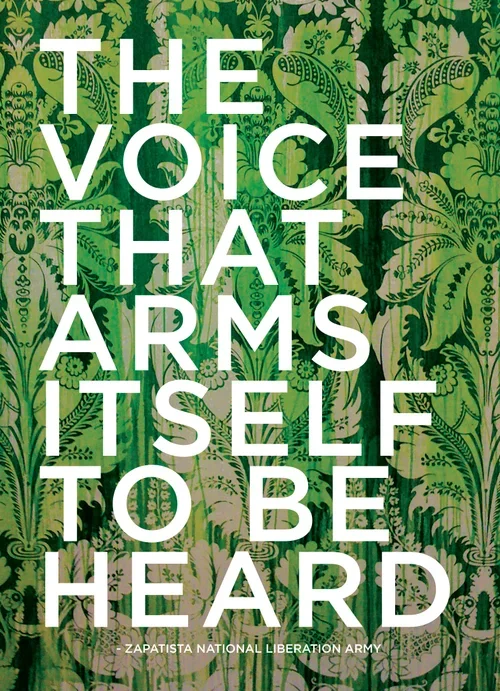
The Vioce That Arms
Itself To Be Heard, 2010
The Dash Gallery
2007
metallic screenprint on Magnani paper
32" x 28"
Edition of 10
The Voice That Arms
Itself To Be Heard
The Dash Gallery
March 25th - May 6th, 2010
White Box Bowery Benefit Auction
White Box
May 2008
Paper Politics
Curated by Josh MacPhee
Yo! What Happened To Peace?
Curated by John Carr
Paper Politics: Socially Engaged Printmaking Today
Edited by Josh MacPhee
2007, placed on “Political Bodies” sculpture by Raphael Zollinger, Pratt Institute (unsanctioned).
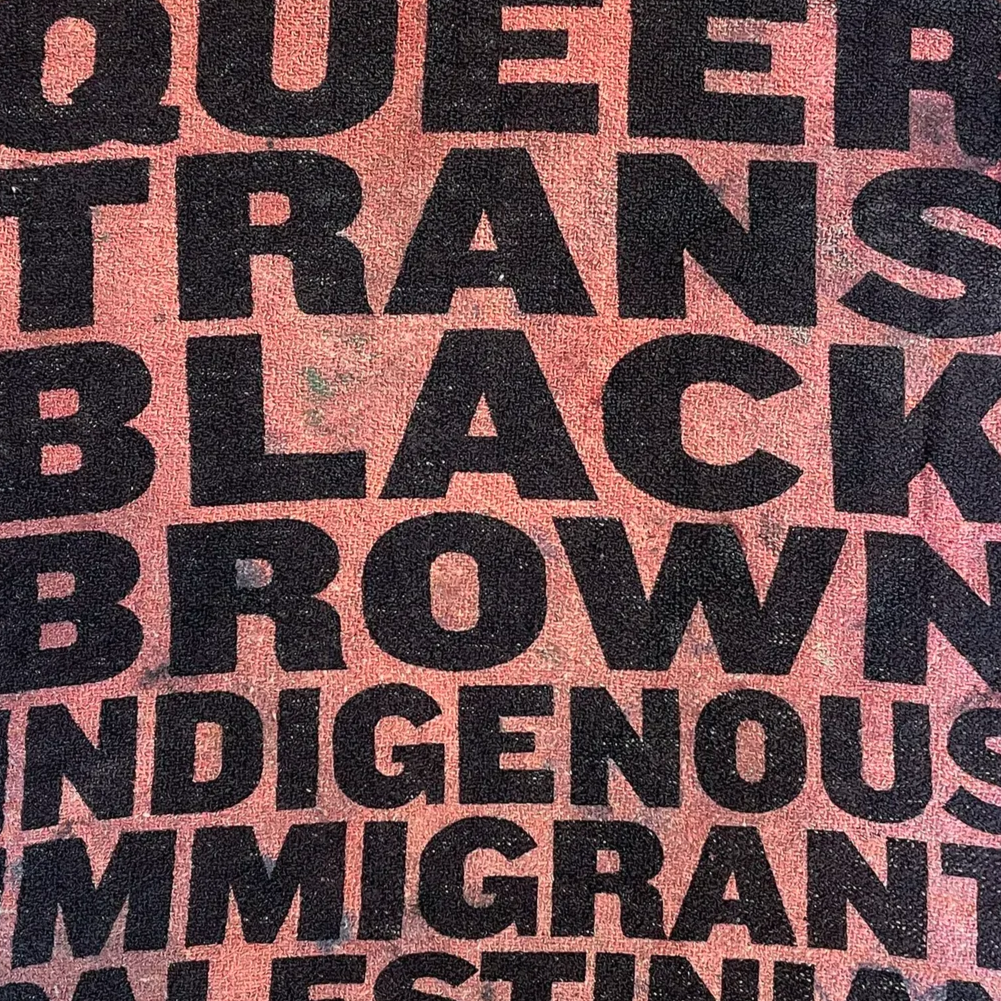
black cotton cloth and gold thread, 16" x 16.25", edition of 10
2007
screen print and dye on cotton
28" x 18.5"
set of four screen prints on vintage
cotton tea towel
Entropic Renovators
Broadthinking
Art Now Fair, New York
March 2008
Alumni Show
Pratt Institute
October 2007
2007
screenprint on Magnani paper
28" x 24"
portfolio of 4
edition of 5
Bobby Seale
Huey P. Newton
Eldridge Cleaver
Fred Hampton
The Dash Gallery
Summer 2010
2007 Benefit Event
White Box
May 2007
2007
screenprint on Magnani paper
39.25" x 27.5"
Yo! What Happened To Peace?
Curated by John Carr
(diptych)
2005
two color screenprint on paper
39.25" x 27.5"
edition of 10
In The Rainbow!
June 21 - July 29, 2006
Gloria Kennedy Gallery
Paper Politics
2004 - 2005
In These Times Chicago, Illinois
Traveled to Phinney Center Gallery Seattle, Washington & 5+5 Gallery Brooklyn, NY (cataloged)
2001
acrylic on canvas
108" x 144" (installation dimension)
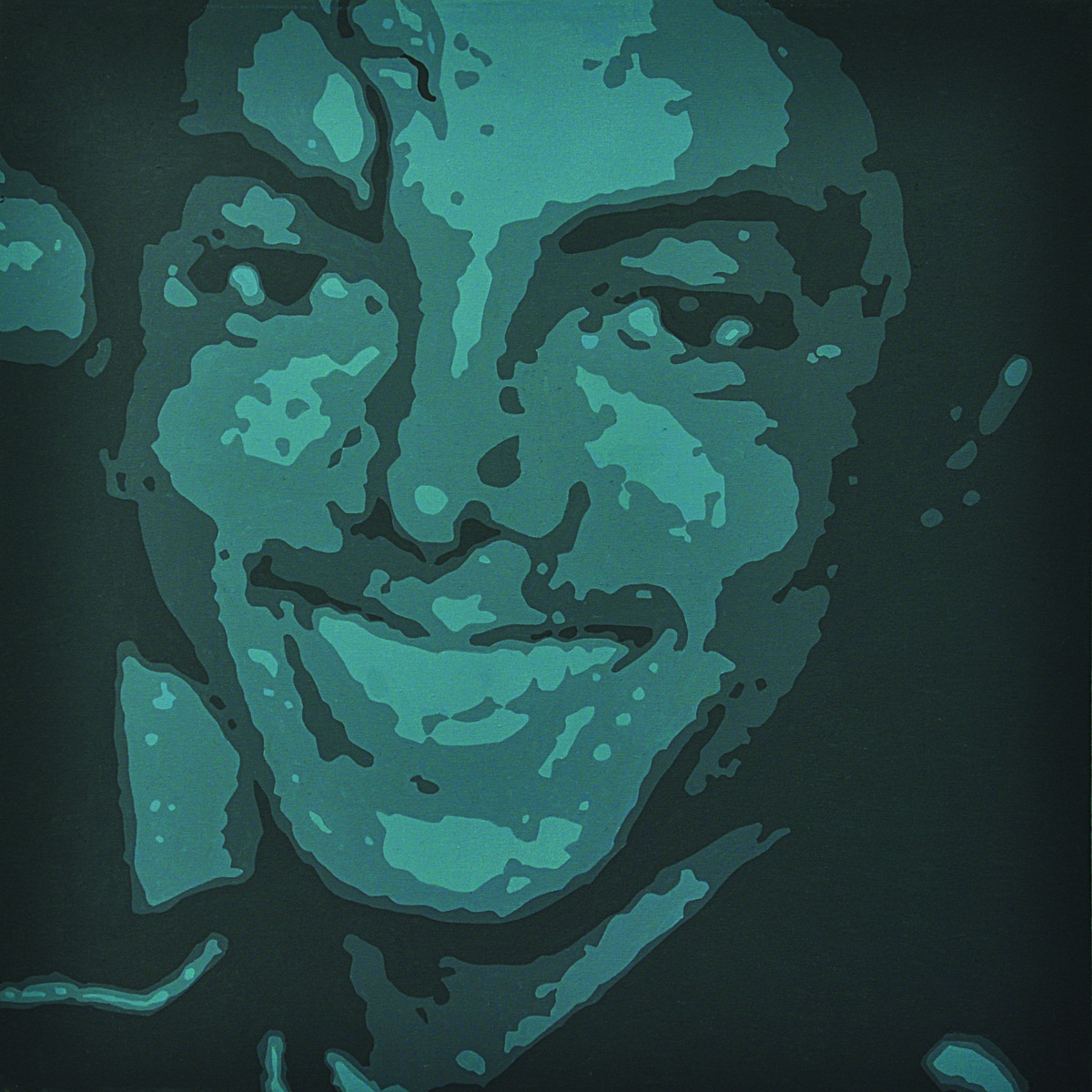
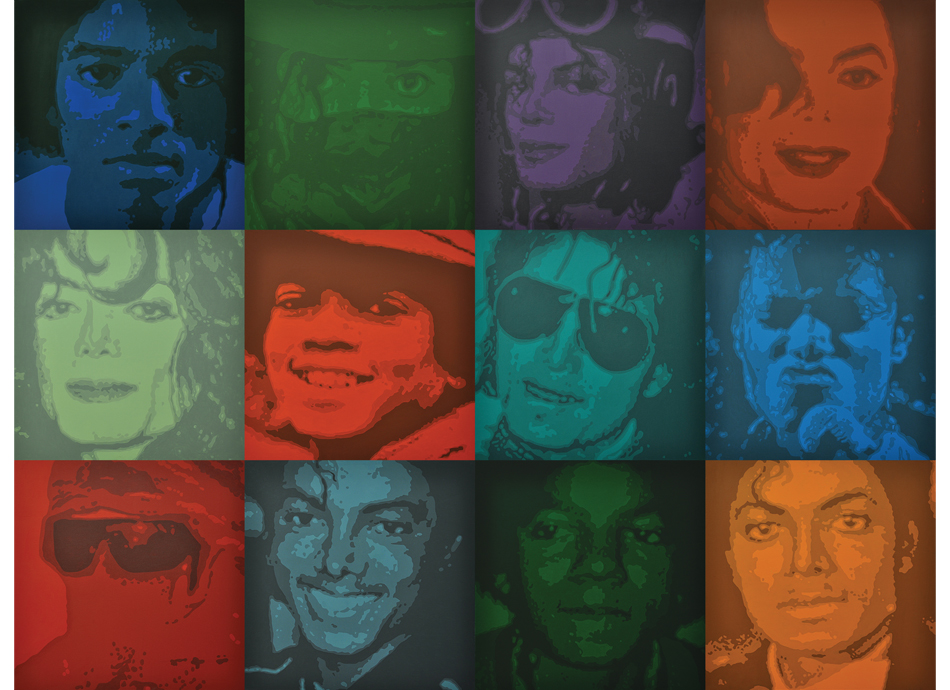
"The King of Pop" is a series of 12 canvases each 36" X 36". The series chronicles the transformation of Michael Jackson's face from boyhood pop star to cosmetically transfigured global idol.
Pratt Institute, 1992
mixed media
By A Jury of One's Peers addressed the unjust "Not Guilty" verdict of the four LAPD officers who beat Rodney King on March 3rd, 1991.